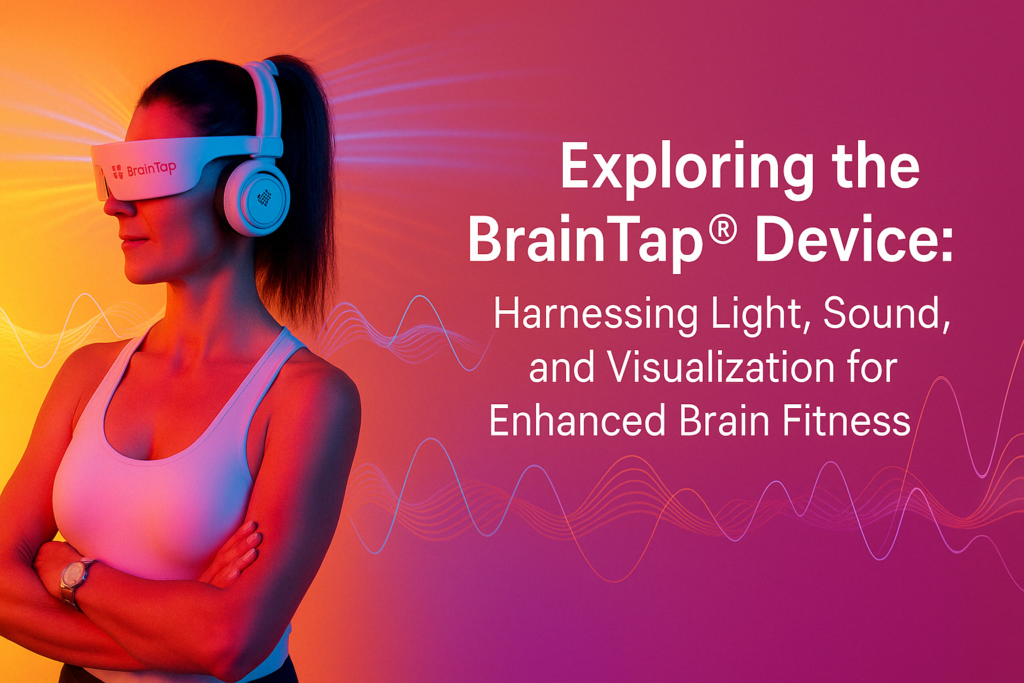
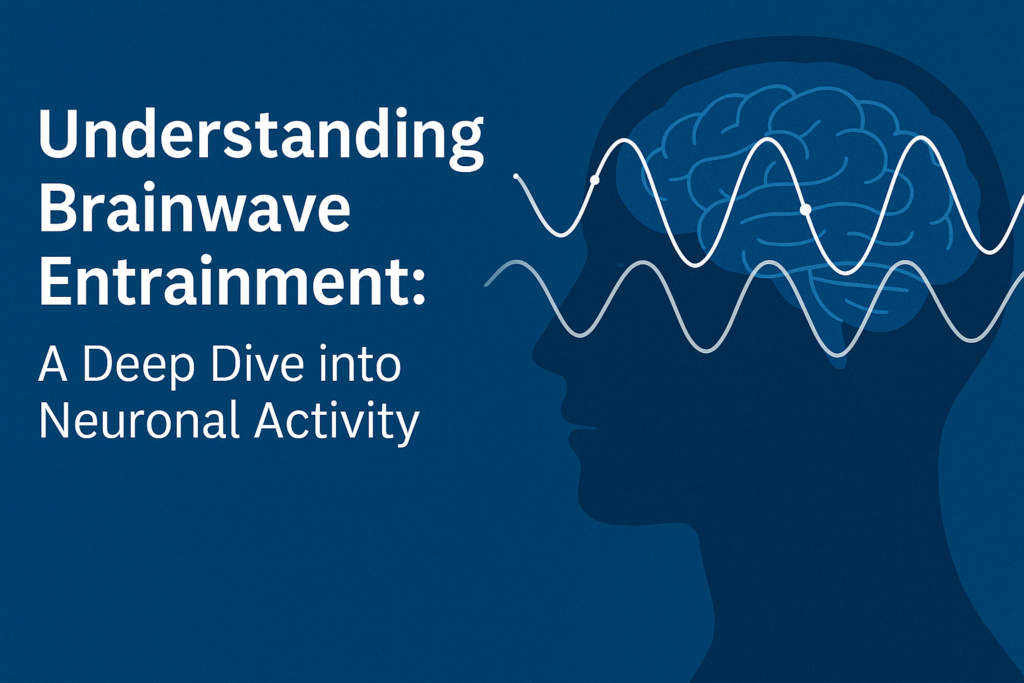
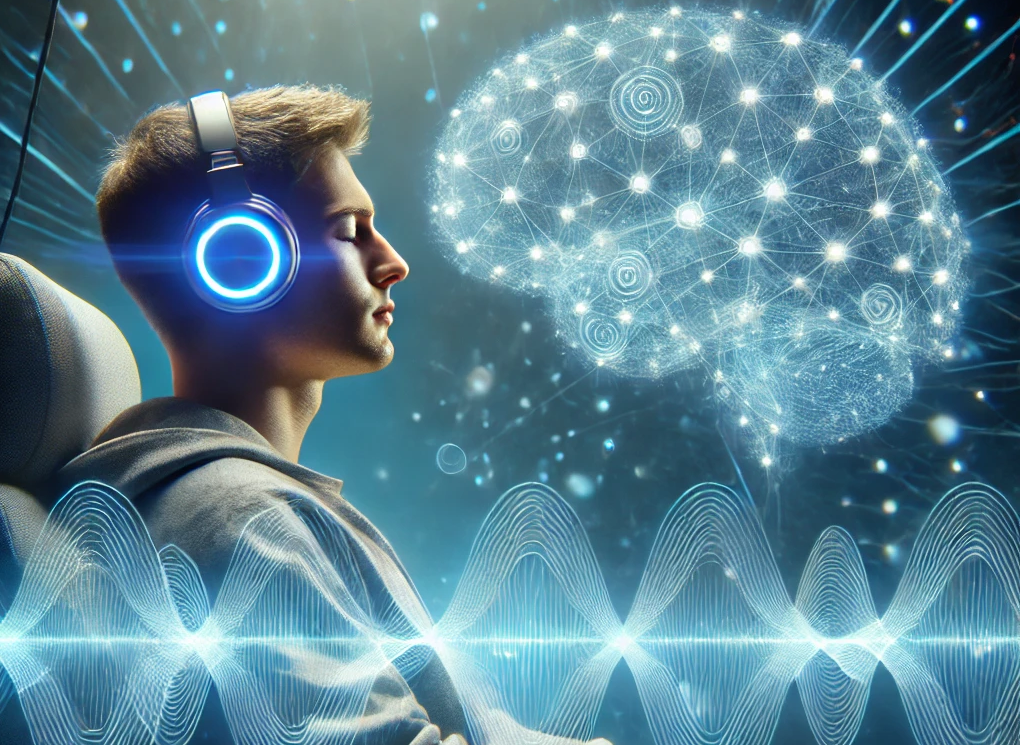
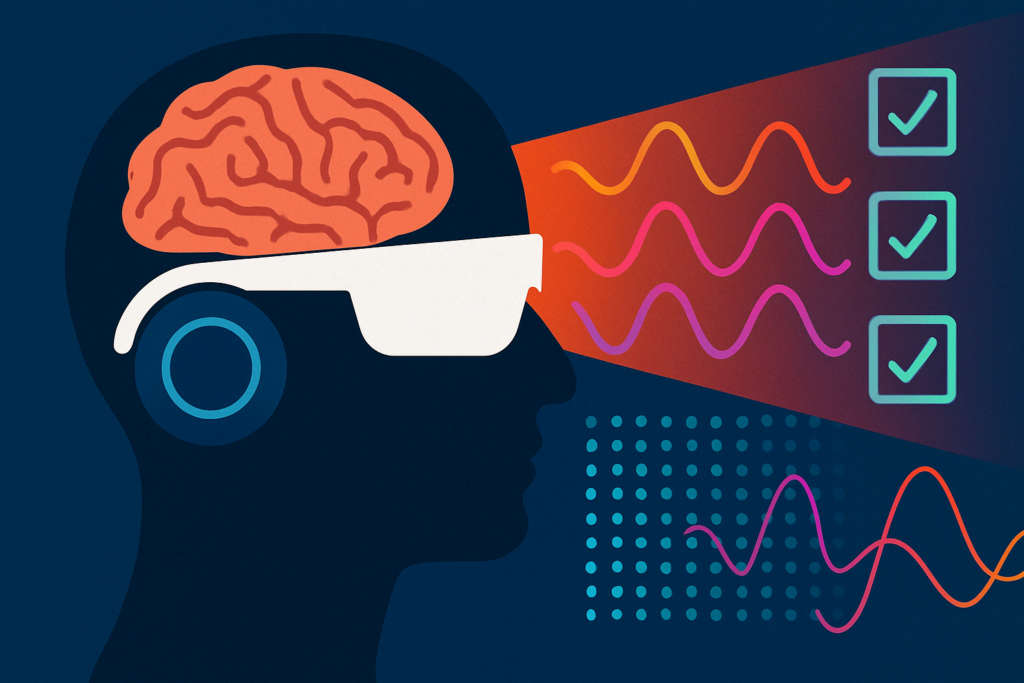
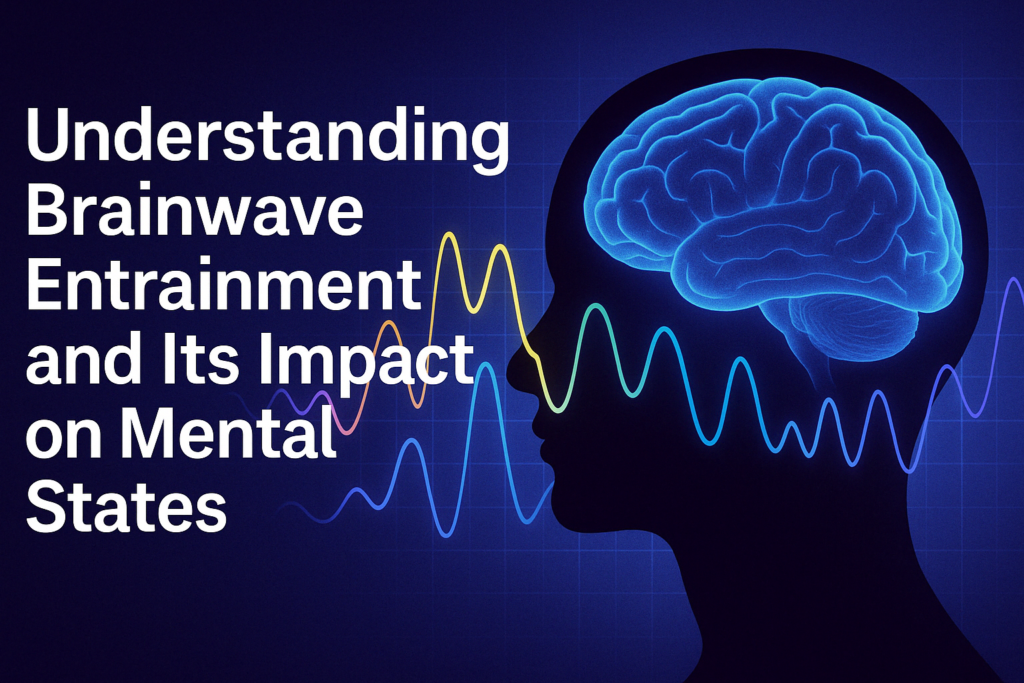
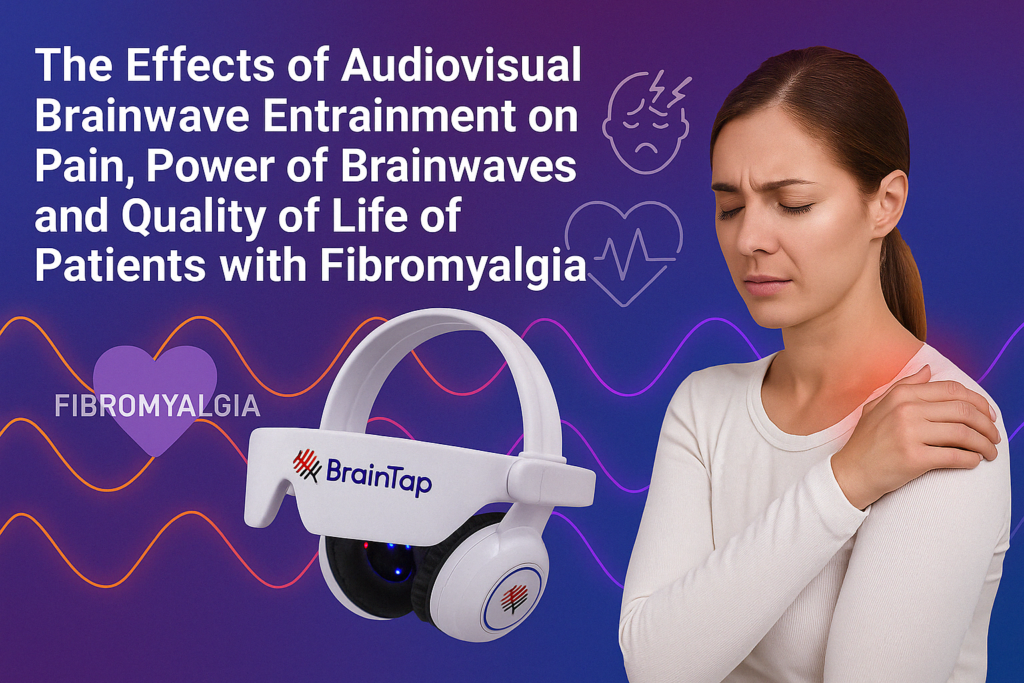
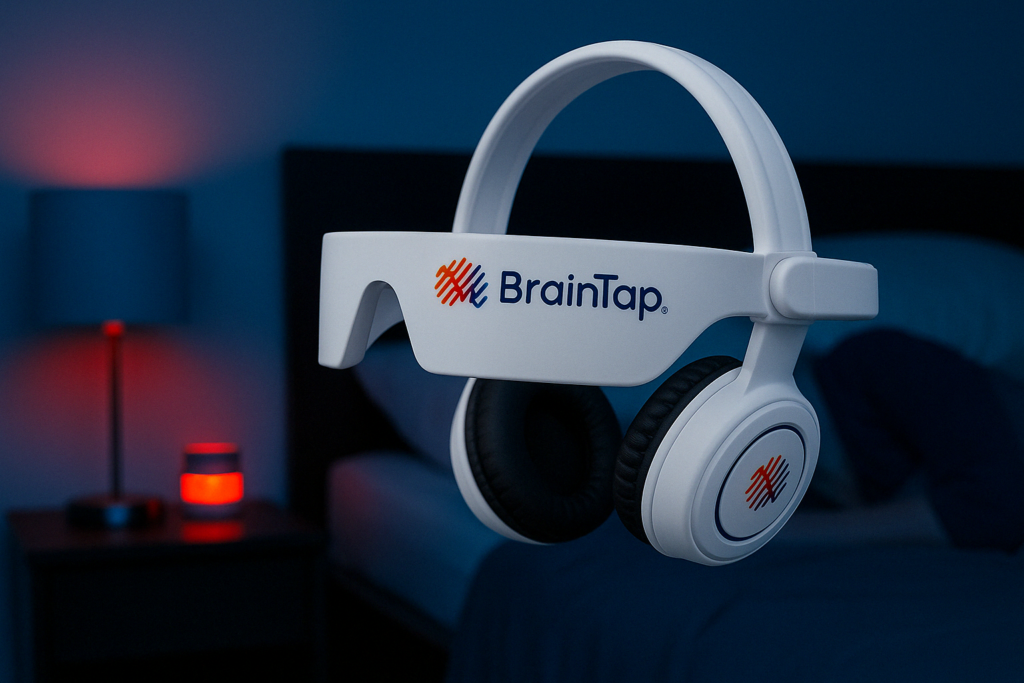
Brainwave entrainment (BWE) is a method that uses external stimuli, such as sounds, lights, or vibrations at specific frequencies, to guide the brain into specific brainwave patterns and states of consciousness. BWE has gained importance in reducing stress, anxiety, and restoring sleep.
Continued research and development is being conducted for each of the topics listed below, the result of which comes in the form of articles written to help educate and inform readers of the technology.
Brainwave entrainment, a technique that uses rhythmic stimuli to synchronize brainwave frequencies, has garnered significant attention for its potential therapeutic
Brainwave Entrainment Brainwave entrainment, a technique that uses rhythmic stimuli to synchronize brainwave frequencies, has garnered significant attention for its
Brainwave Entrainment for Mental Wellness in Military Populations: A Pilot Study Cidral-Filho, F.J.1,2,3, Derick Ben4, Kuiper B4, Jones J4. 1Integrative
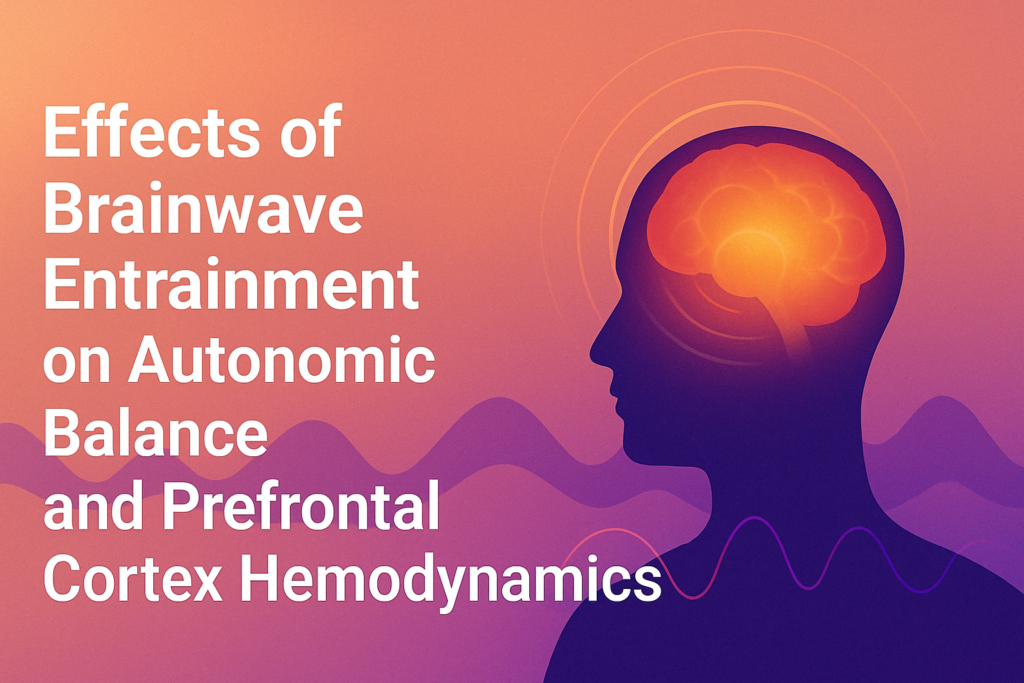
Effects of Brainwave Entrainment on Autonomic Balance and Prefrontal Cortex Hemodynamics Background Scientific evidence has demonstrated the importance of inhibitory
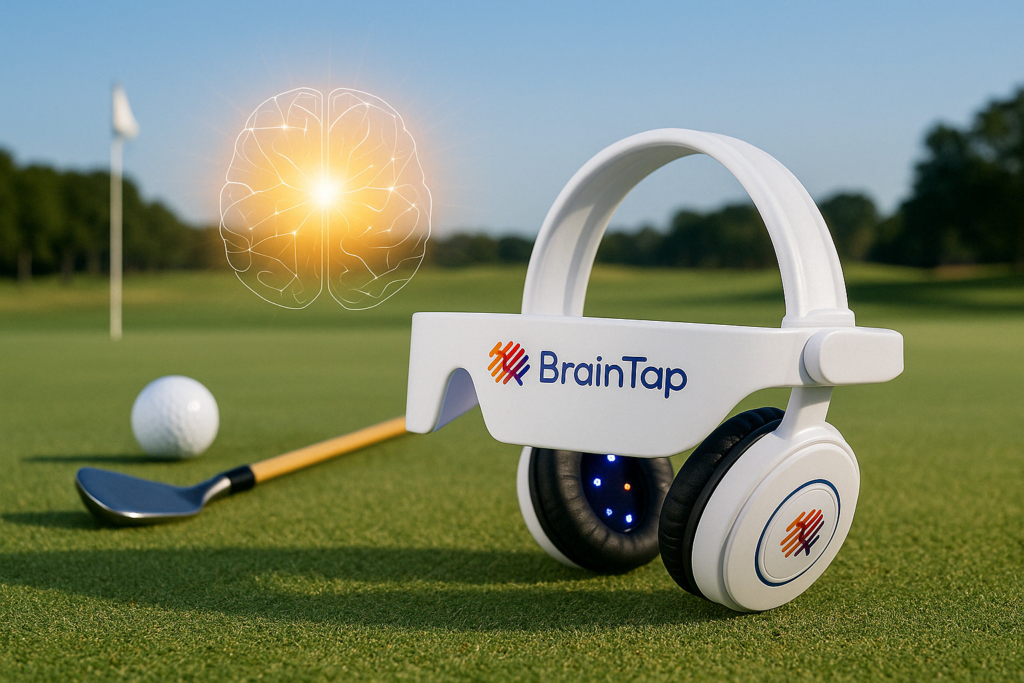
Effect of Brainwave Entrainment and Transcranial Photobiomodulation on Brainwave Power of College Golf Players Francisco Jose Cidral-Filho, Ph.D.1, Eber Fontes,
Audiovisual Brain Entrainment associated with “Saving your Brain” therapeutic approach on Quantitative Electroencephalogram Analysis and Cognitive and Emotional Checklist Assessment.
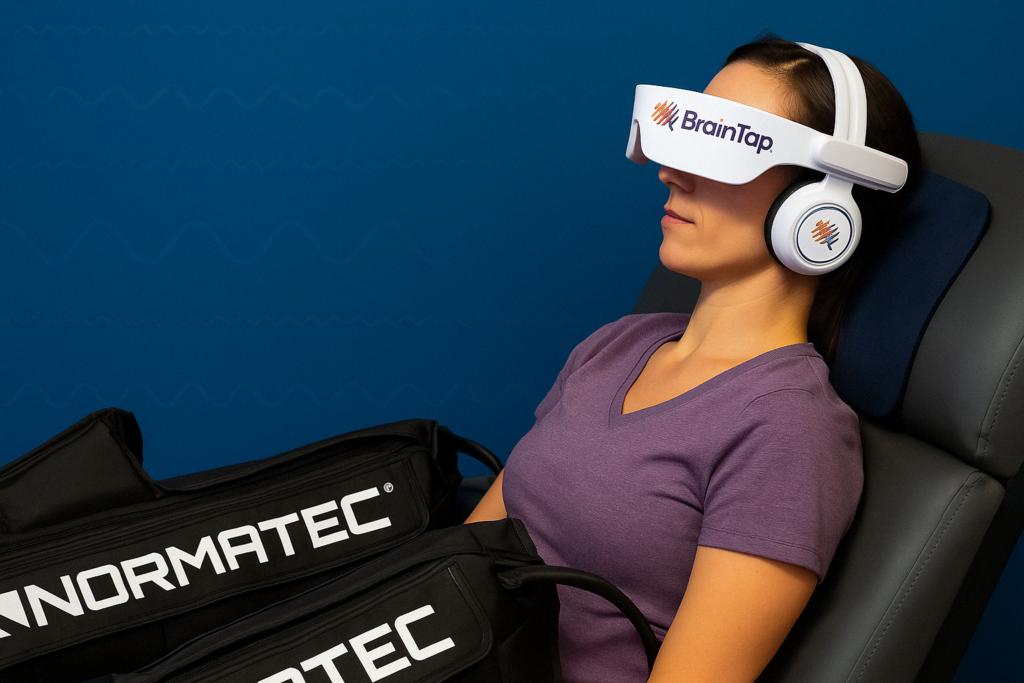
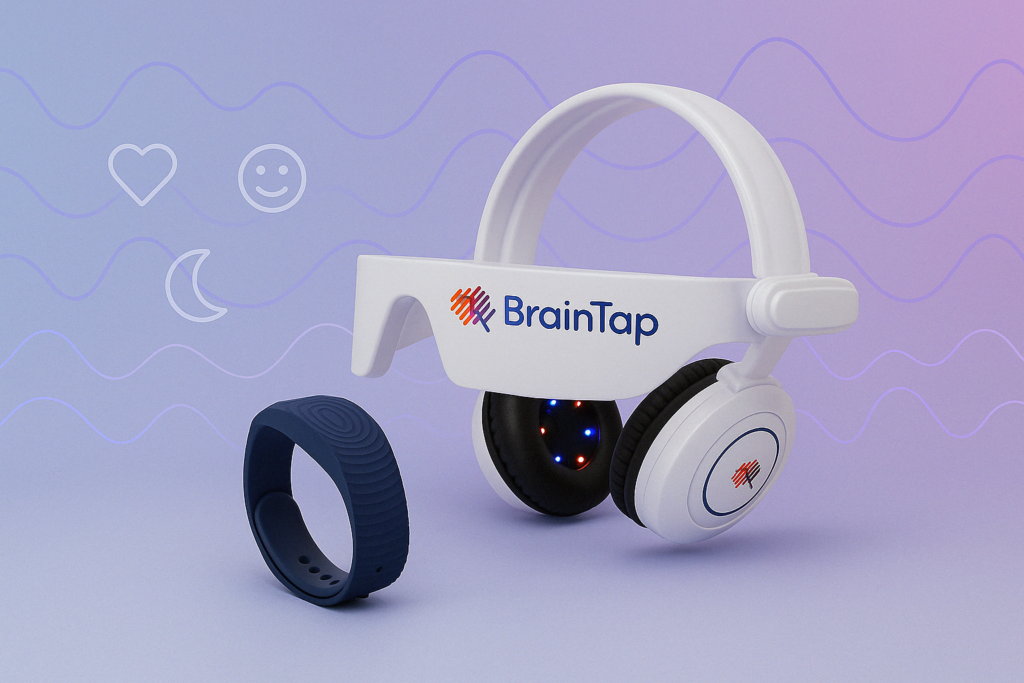
Concussion Treatment Protocol Utilizing Brainwave Entrainment with the BrainTap headset & Compression Therapy with the NormaTec Pulse 2.0. Arkfeld T.1,
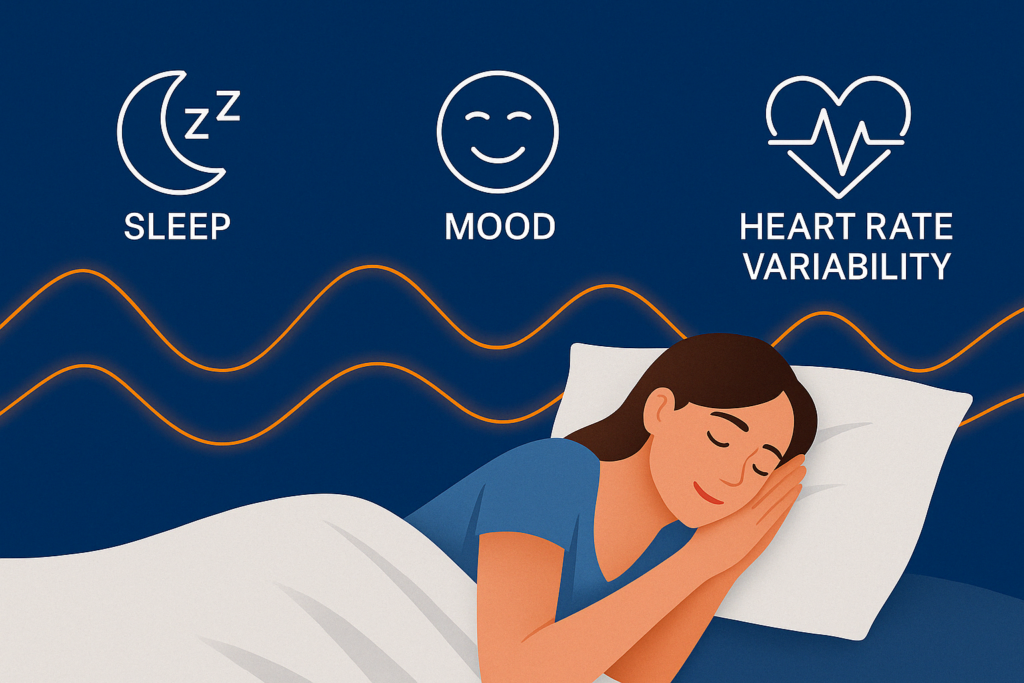
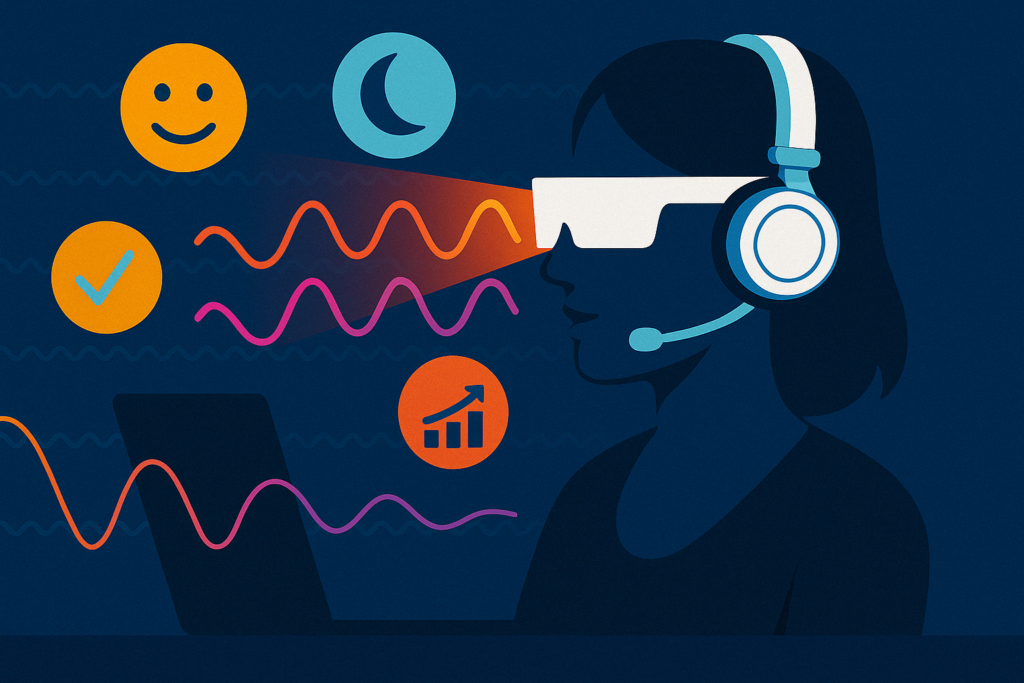
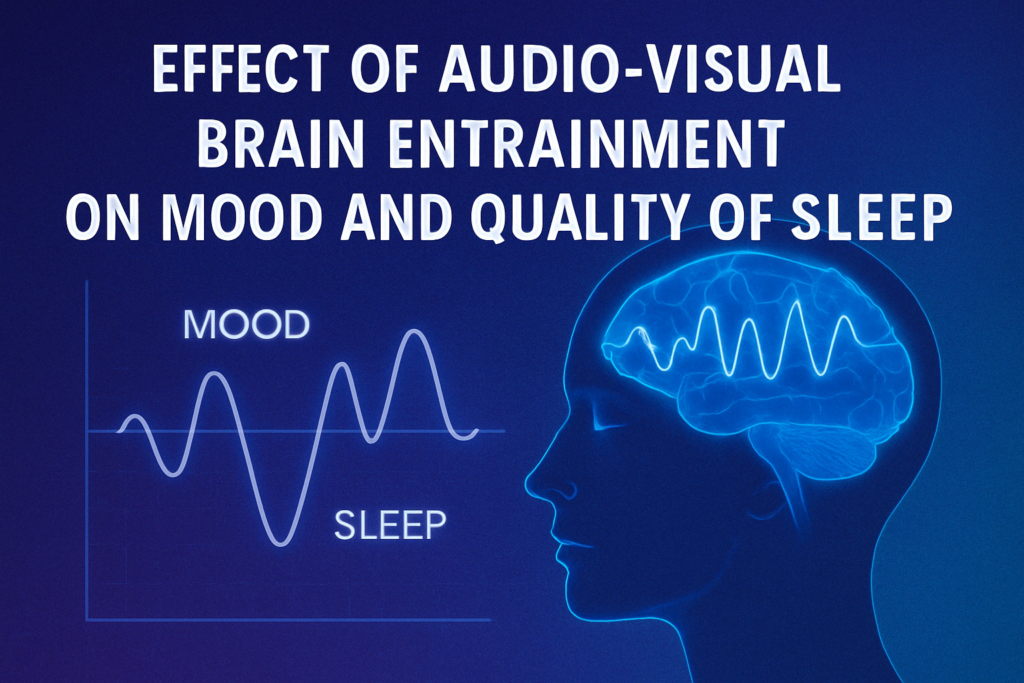
Effect of Audio-Visual Brain Entrainment on Mood, Sleep and Work Productivity of Professional Telemarketers Francisco J Cidral-Filho1, Patrick K Porter2,
The effects of audio brainwave entrainment on clinical symptoms and serum biomarkers of neuroplasticity in Fibromyalgia Syndrome: A Randomized Controlled
Effect of Audio-Visual Brain Entrainment on Mood, Sleep and Work Productivity of Professional Telemarketers Francisco J Cidral-Filho1, Patrick K Porter2,
Effect of Audio-Visual Brain Entrainment on Mood, Sleep and Work Productivity of Professional Telemarketers Francisco J Cidral-Filho1, Patrick K Porter2,
Effect of Brainwave Entrainment and Transcranial Photobiomodulation on Brainwave Power of College Golf Players Francisco Jose Cidral-Filho, Ph.D.1, Eber Fontes,
Brainwave Entrainment Brainwave entrainment, a technique that uses rhythmic stimuli to synchronize brainwave frequencies, has garnered significant attention for its potential therapeutic applications. This method leverages auditory and visual stimuli...
Most Read Article
Stay Up-To-Date By Joining Our Newsletter
Subscribe to our newsletter for insights and updates on the forefront of holistic health. Receive curated content that fuels your journey to a healthier, more balanced life.
Highlights A pilot study evaluated a 20-minute vibroacoustic stimulation session in healthy adults. After the intervention, participants showed a breathier vocal quality, a speech pattern associated in the study with...
Highlights A pilot study evaluated 36 professional male athletes with acute soft tissue injuries. Adding hydrogen to standard treatment was associated with a faster return toward normal joint range of...
Highlights Topical vacuum therapy significantly increased all four measures of skin microcirculation evaluated in the study. With intermittent vacuum application, local blood flow increased from 16.5 to 41.5 AU in...
Highlights Water surrounding proteins is not simply passive—it is closely connected to protein structure, stability, and function. When proteins were denatured, or lost their normal folded structure, the organization of...
Highlights Photobiomodulation (PBM) is a safe, non-invasive therapy with promising applications for wrist and elbow disorders. Clinical evidence demonstrates improvements in pain, function, grip strength, and nerve conduction, particularly for...