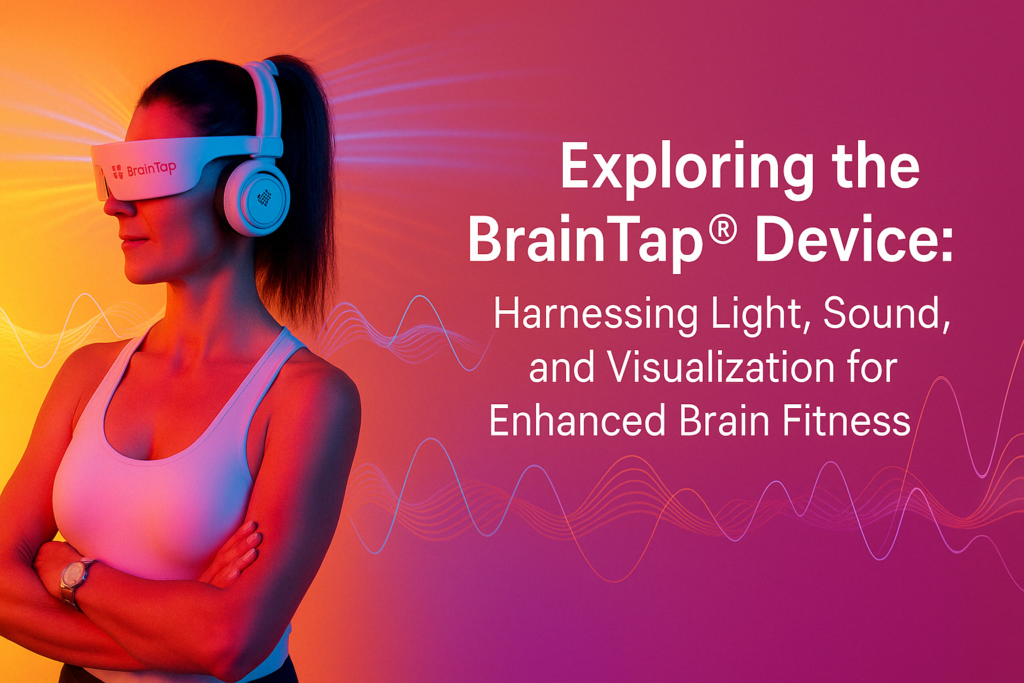
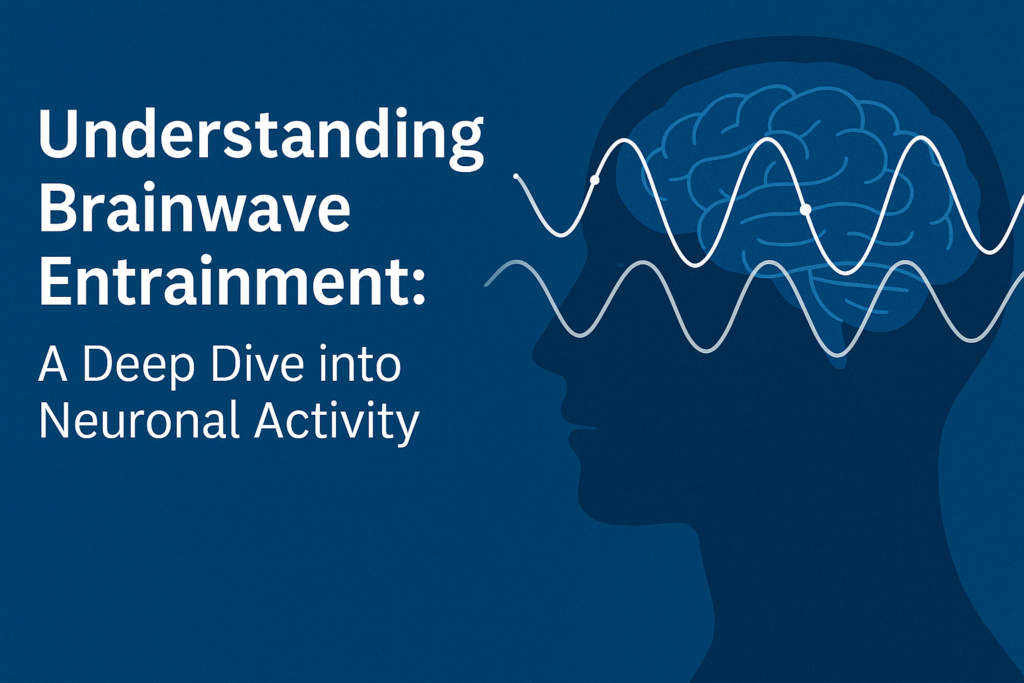
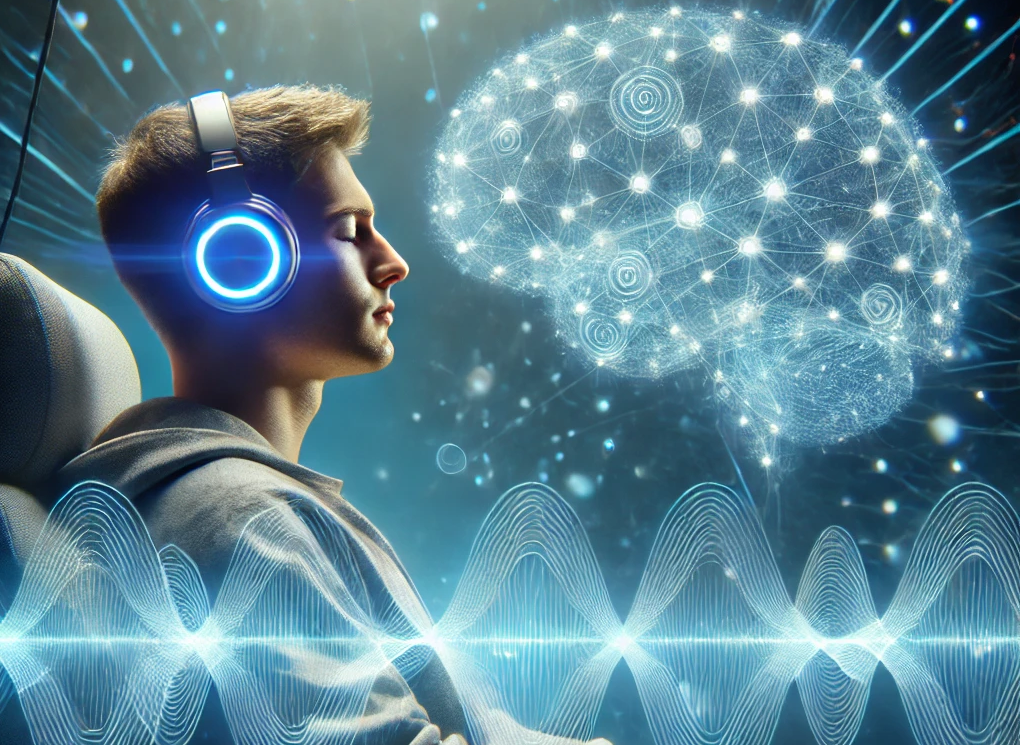
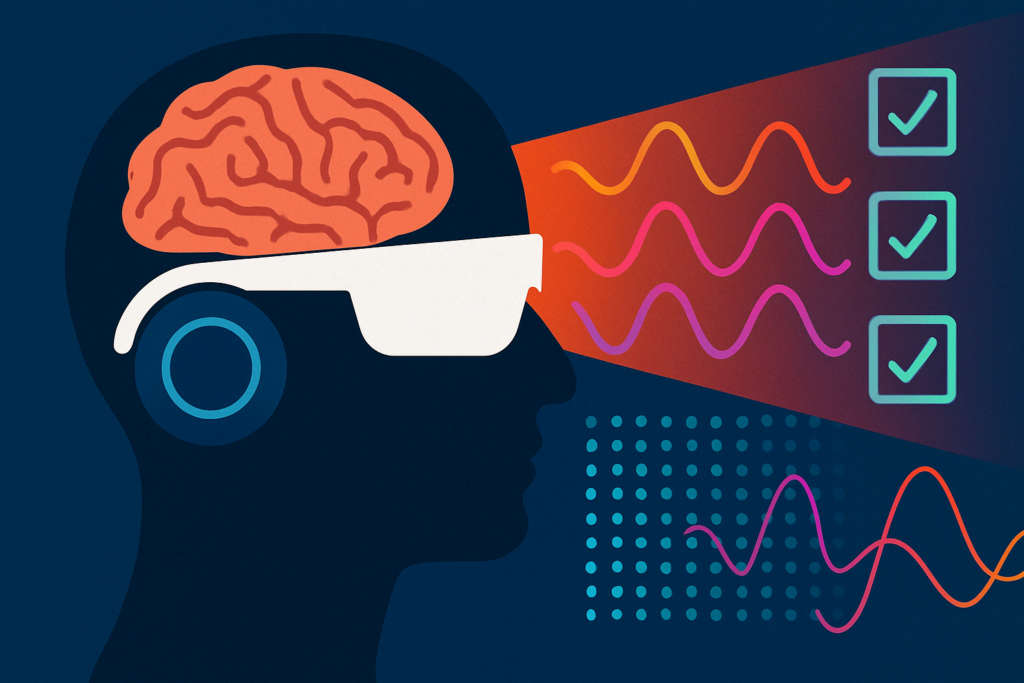
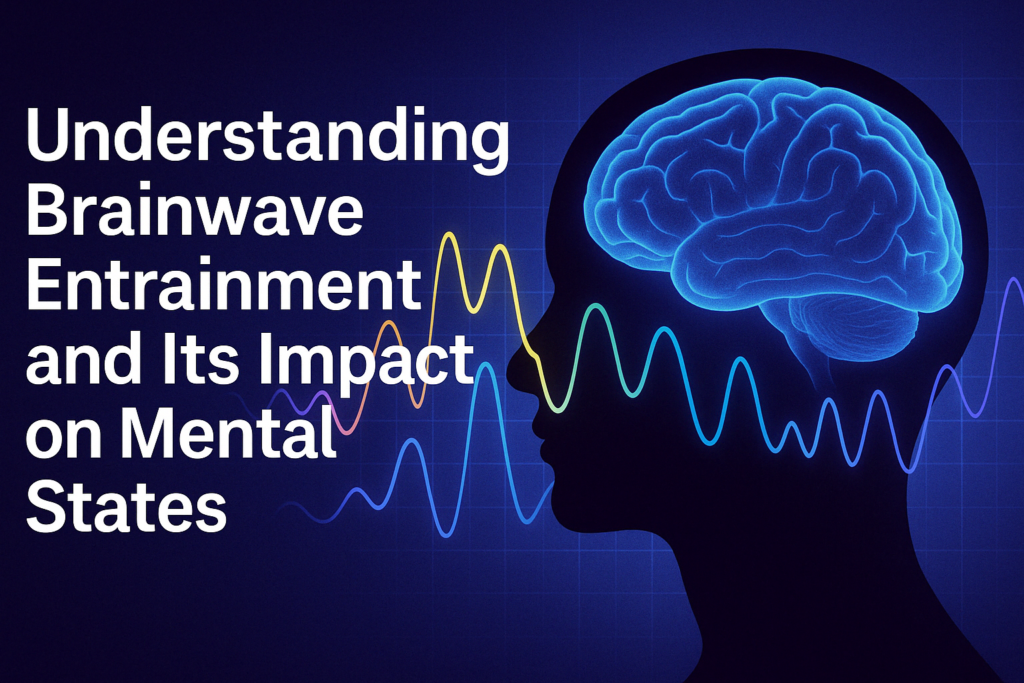
Brainwave entrainment (BWE) is a method that uses external stimuli, such as sounds, lights, or vibrations at specific frequencies, to guide the brain into specific brainwave patterns and states of consciousness. BWE has gained importance in reducing stress, anxiety, and restoring sleep.
Continued research and development is being conducted for each of the topics listed below, the result of which comes in the form of articles written to help educate and inform readers of the technology.
Brainwave entrainment, a technique that uses rhythmic stimuli to synchronize brainwave frequencies, has garnered significant attention for its potential therapeutic
Brainwave Entrainment Brainwave entrainment, a technique that uses rhythmic stimuli to synchronize brainwave frequencies, has garnered significant attention for its
Brainwave Entrainment for Mental Wellness in Military Populations: A Pilot Study Cidral-Filho, F.J.1,2,3, Derick Ben4, Kuiper B4, Jones J4. 1Integrative
Effects of Brainwave Entrainment on Autonomic Balance and Prefrontal Cortex Hemodynamics Background Scientific evidence has demonstrated the importance of inhibitory
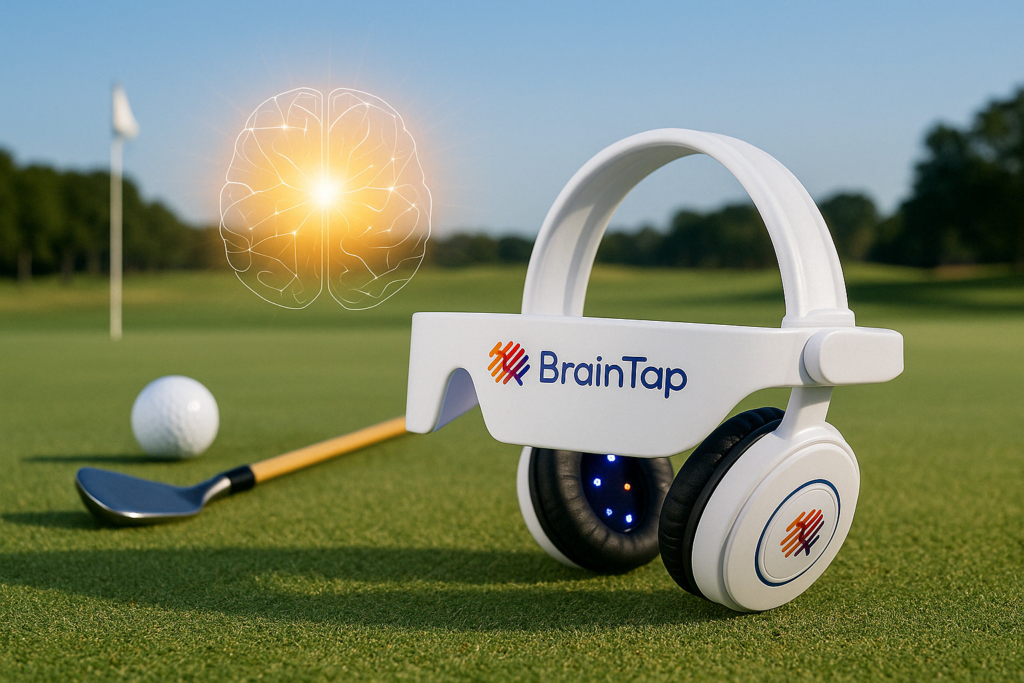
Effect of Brainwave Entrainment and Transcranial Photobiomodulation on Brainwave Power of College Golf Players Francisco Jose Cidral-Filho, Ph.D.1, Eber Fontes,
Audiovisual Brain Entrainment associated with “Saving your Brain” therapeutic approach on Quantitative Electroencephalogram Analysis and Cognitive and Emotional Checklist Assessment.
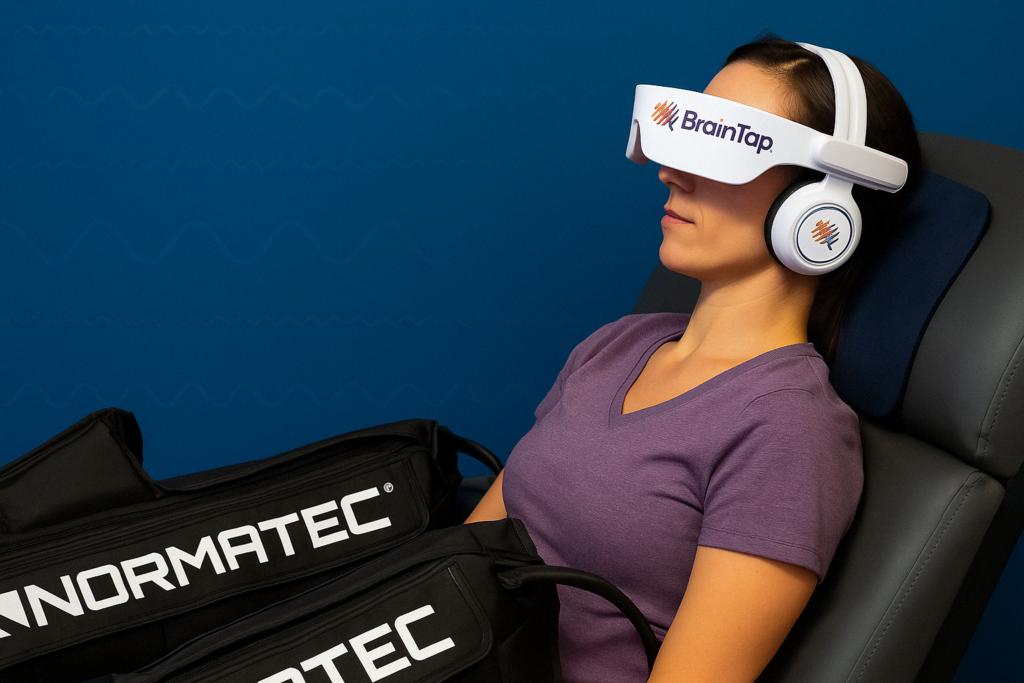
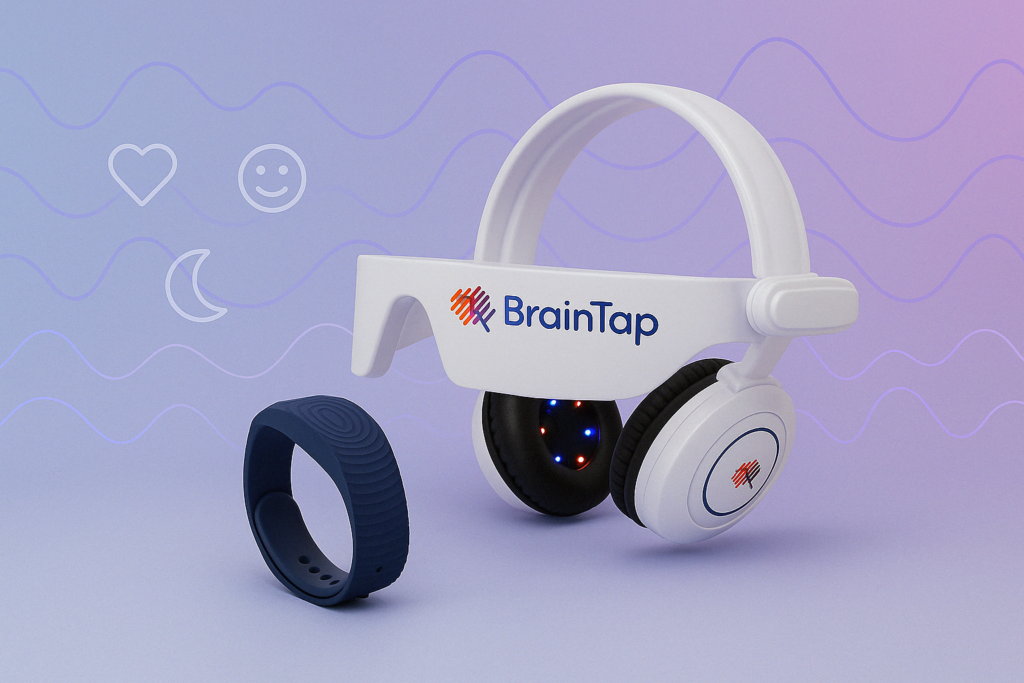
Concussion Treatment Protocol Utilizing Brainwave Entrainment with the BrainTap headset & Compression Therapy with the NormaTec Pulse 2.0. Arkfeld T.1,
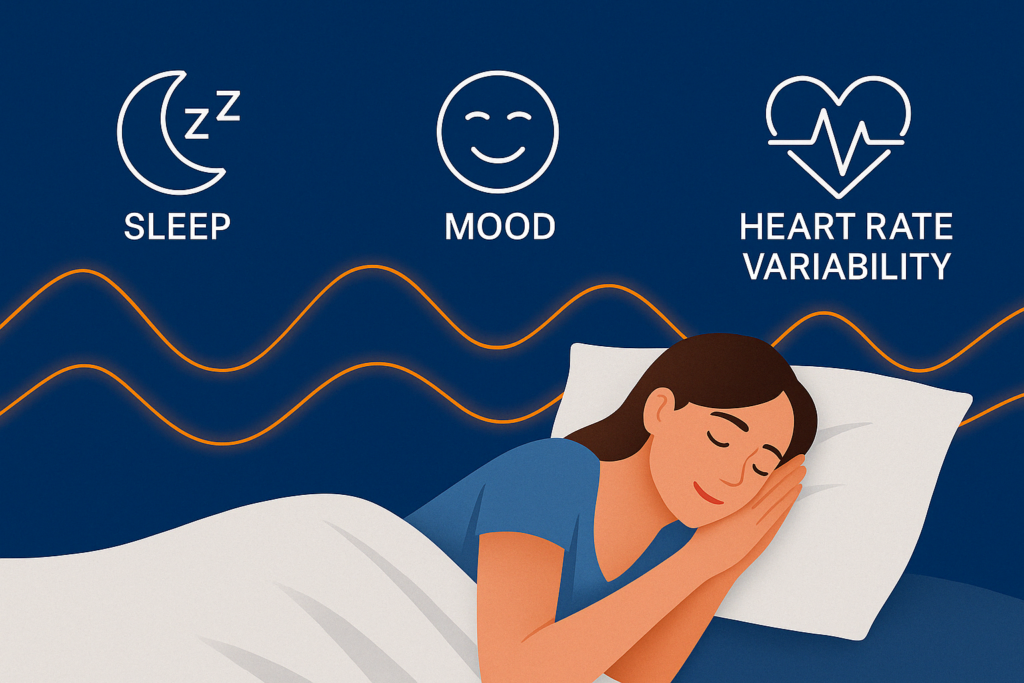
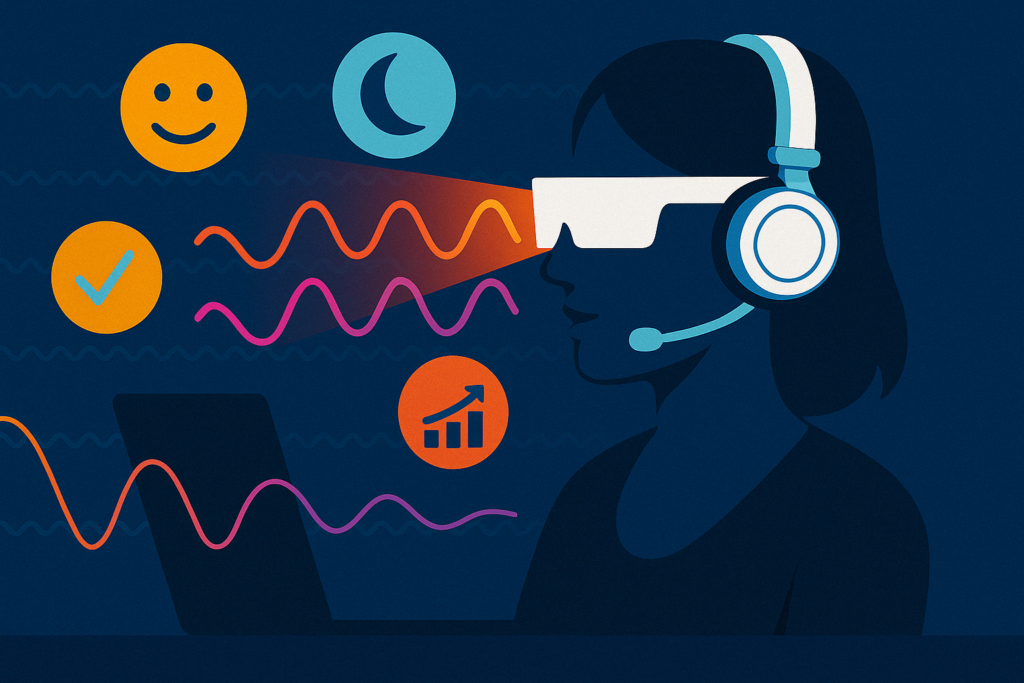
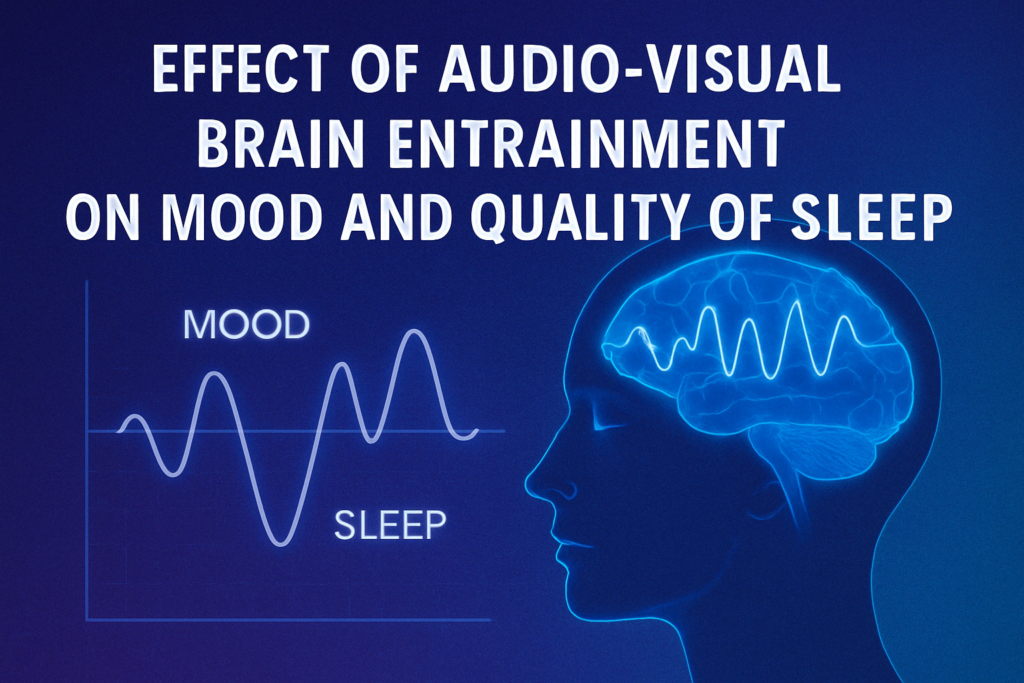
Effect of Audio-Visual Brain Entrainment on Mood, Sleep and Work Productivity of Professional Telemarketers Francisco J Cidral-Filho1, Patrick K Porter2,
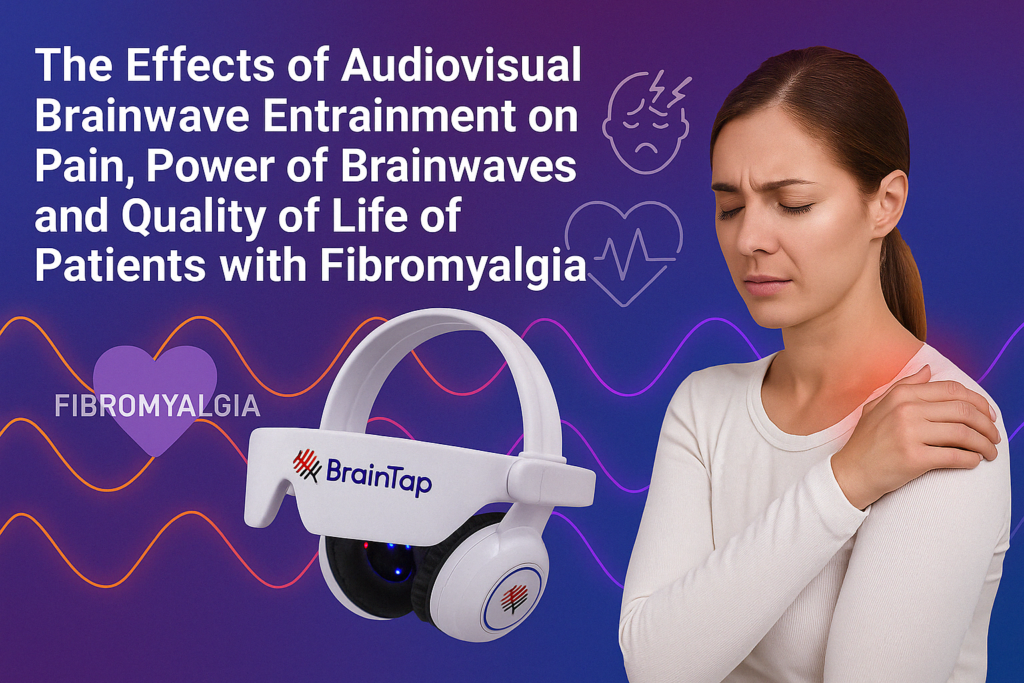
The effects of audio brainwave entrainment on clinical symptoms and serum biomarkers of neuroplasticity in Fibromyalgia Syndrome: A Randomized Controlled
Effect of Audio-Visual Brain Entrainment on Mood, Sleep and Work Productivity of Professional Telemarketers Francisco J Cidral-Filho1, Patrick K Porter2,
Effect of Audio-Visual Brain Entrainment on Mood, Sleep and Work Productivity of Professional Telemarketers Francisco J Cidral-Filho1, Patrick K Porter2,
Effect of Brainwave Entrainment and Transcranial Photobiomodulation on Brainwave Power of College Golf Players Francisco Jose Cidral-Filho, Ph.D.1, Eber Fontes,
Brainwave Entrainment Brainwave entrainment, a technique that uses rhythmic stimuli to synchronize brainwave frequencies, has garnered significant attention for its potential therapeutic applications. This method leverages auditory and visual stimuli...
Most Read Article
Stay Up-To-Date By Joining Our Newsletter
Subscribe to our newsletter for insights and updates on the forefront of holistic health. Receive curated content that fuels your journey to a healthier, more balanced life.
Highlights Photobiomodulation (PBM) is emerging as a promising complementary therapy for mental health conditions. Clinical evidence suggests benefits for anxiety, depression, and seasonal affective disorder (SAD), with improvements in mood,...
Highlights Left and right Flow Gain increased by 278% and 276%. Perfusion Index increased by 250%. A brain blood flow-related proxy increased by 54%. Peripheral pulse transit time increased by...
Highlights Regional cerebral blood oxygenation increased by 144%. A cerebral blood flow-related proxy increased by 12%. A parasympathetic-related measure increased by 73%. Perfusion Index increased by 46%. A 52-year-old participant...
Highlights Left and right Flow Gain increased by 265% and 224%. Perfusion Index increased by 254%. A brain blood flow-related proxy increased by 156%. Peripheral pulse transit time increased by...
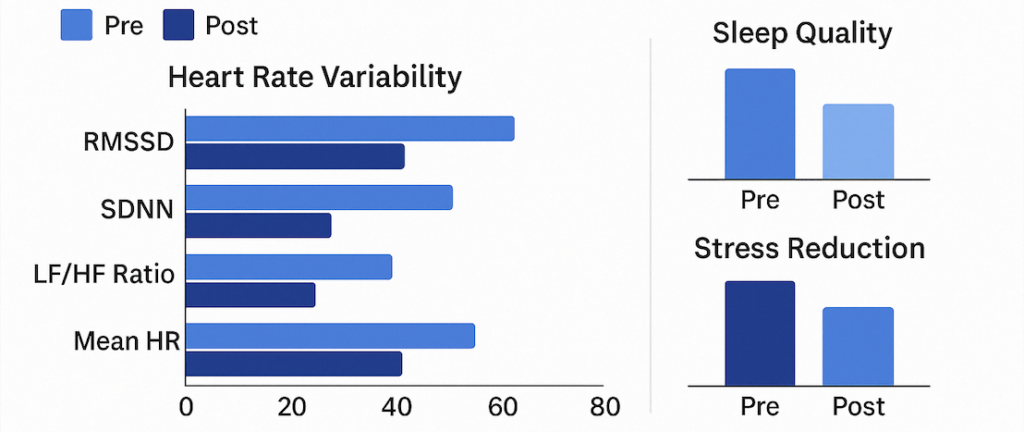
Highlights Regional brain oxygenation increased by 22%. Mean heart rate decreased by 8%. SDNN increased from 12 to 51 ms, and RMSSD from 10 to 67 ms. Peripheral pulse transit...
Highlights Mean heart rate decreased by 22%. SDNN, a heart rate variability measure, increased by 147%. Right-side Flow Gain increased by 57%. Self-reported total wellness increased by 48%. A 66-year-old...