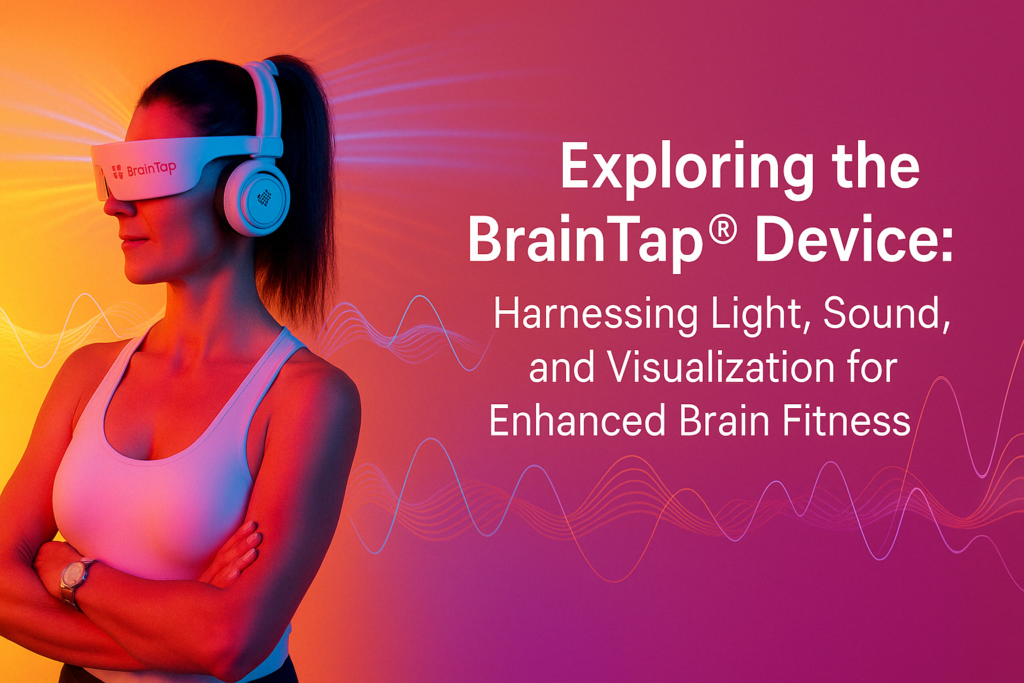
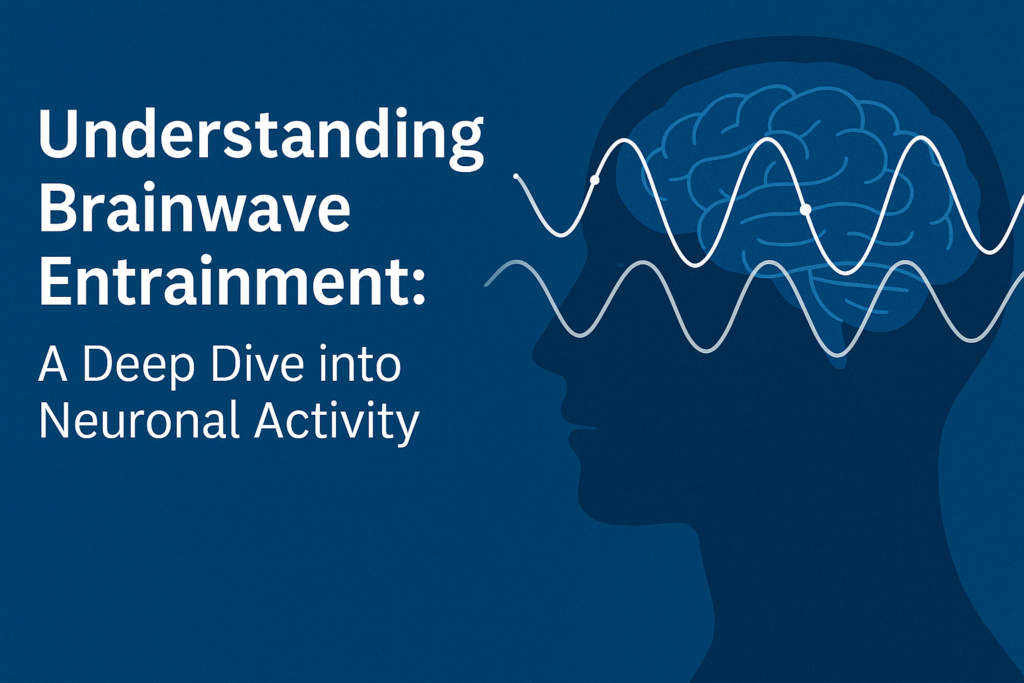
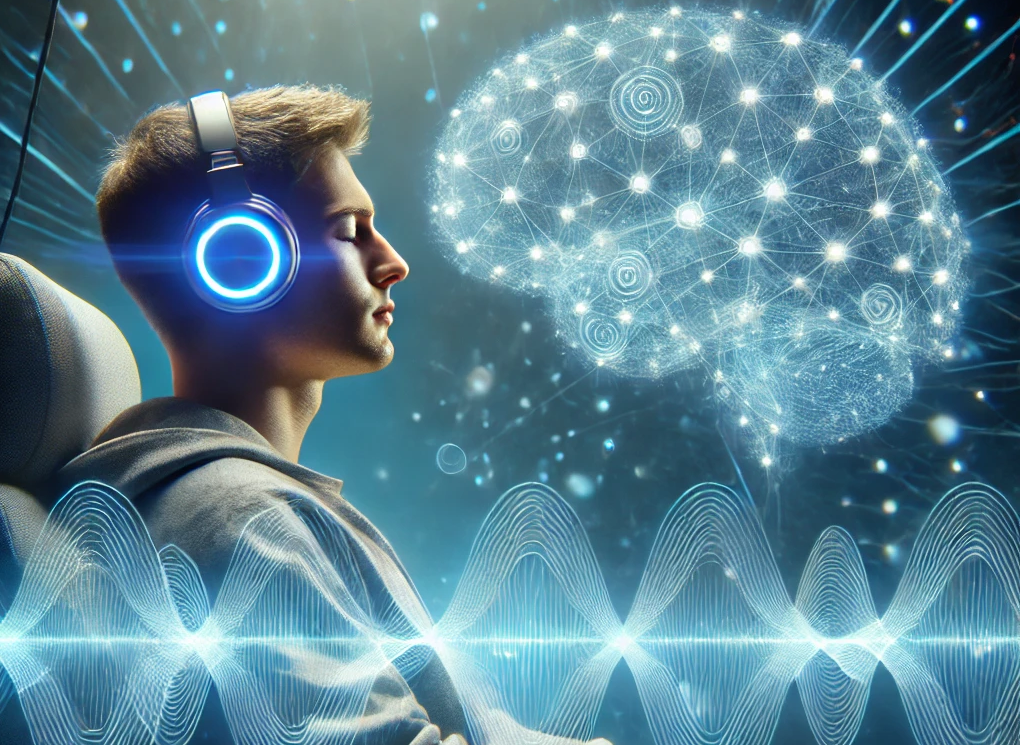
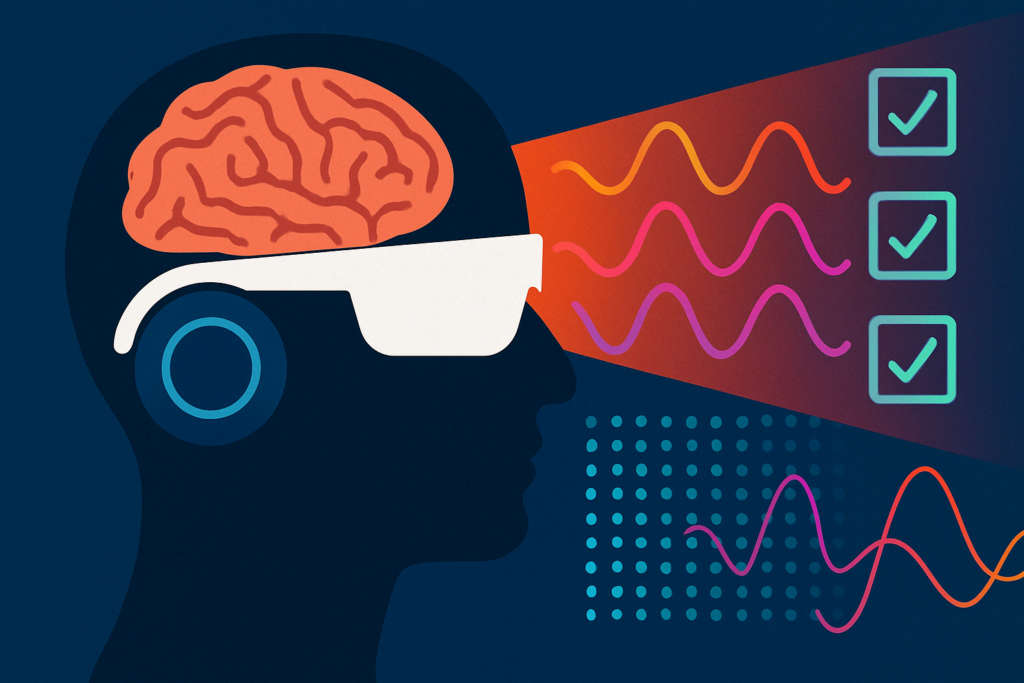
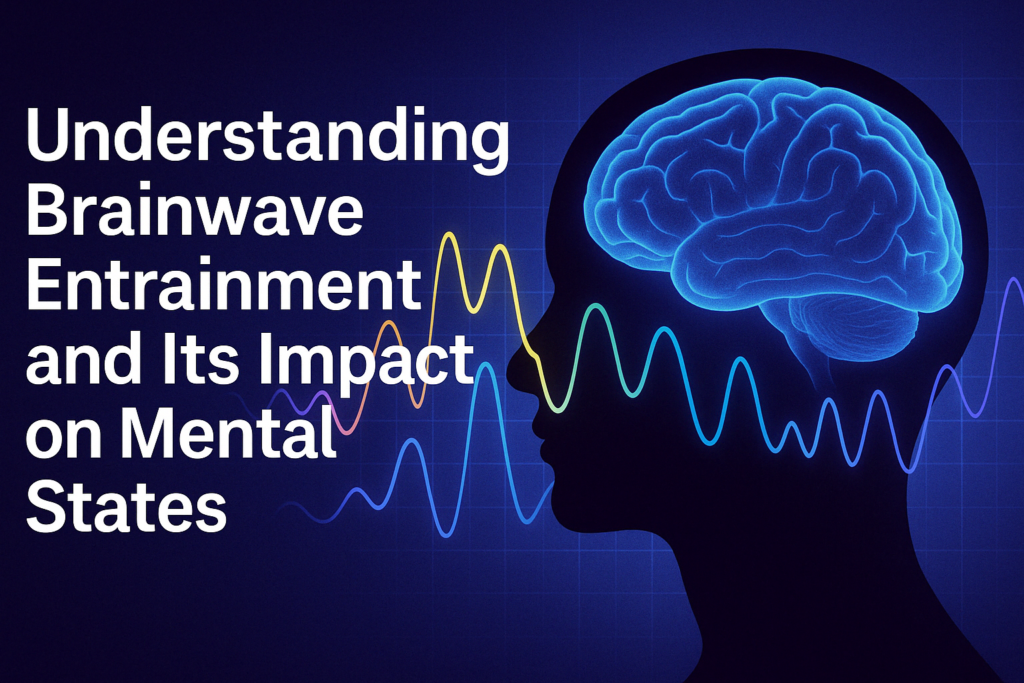
Brainwave entrainment (BWE) is a method that uses external stimuli, such as sounds, lights, or vibrations at specific frequencies, to guide the brain into specific brainwave patterns and states of consciousness. BWE has gained importance in reducing stress, anxiety, and restoring sleep.
Continued research and development is being conducted for each of the topics listed below, the result of which comes in the form of articles written to help educate and inform readers of the technology.
Brainwave entrainment, a technique that uses rhythmic stimuli to synchronize brainwave frequencies, has garnered significant attention for its potential therapeutic
Brainwave Entrainment Brainwave entrainment, a technique that uses rhythmic stimuli to synchronize brainwave frequencies, has garnered significant attention for its
Brainwave Entrainment for Mental Wellness in Military Populations: A Pilot Study Cidral-Filho, F.J.1,2,3, Derick Ben4, Kuiper B4, Jones J4. 1Integrative
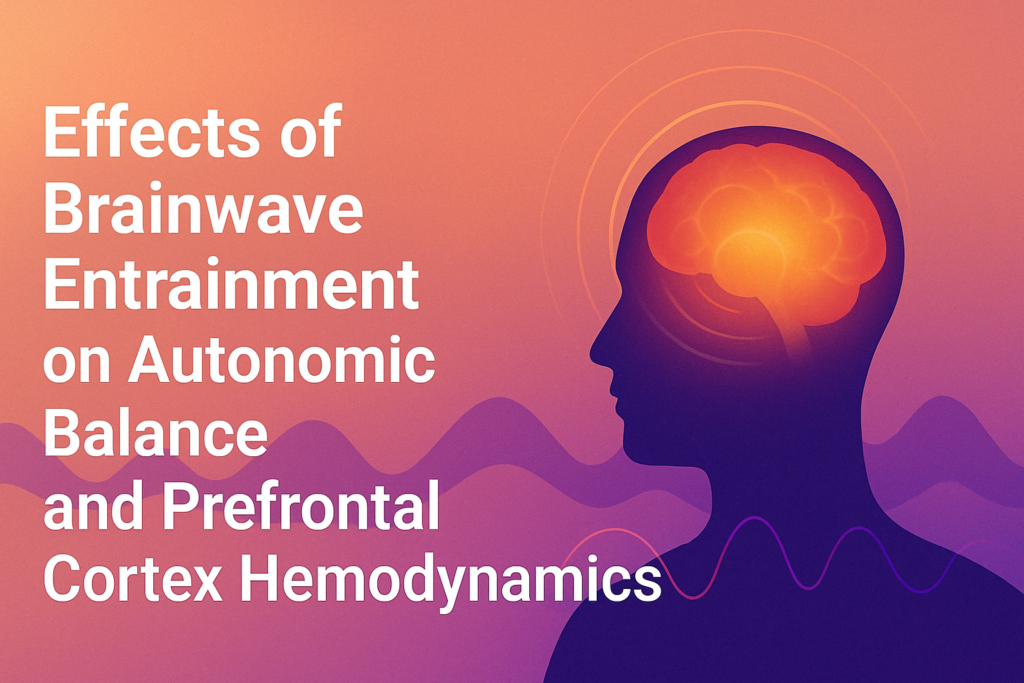
Effects of Brainwave Entrainment on Autonomic Balance and Prefrontal Cortex Hemodynamics Background Scientific evidence has demonstrated the importance of inhibitory
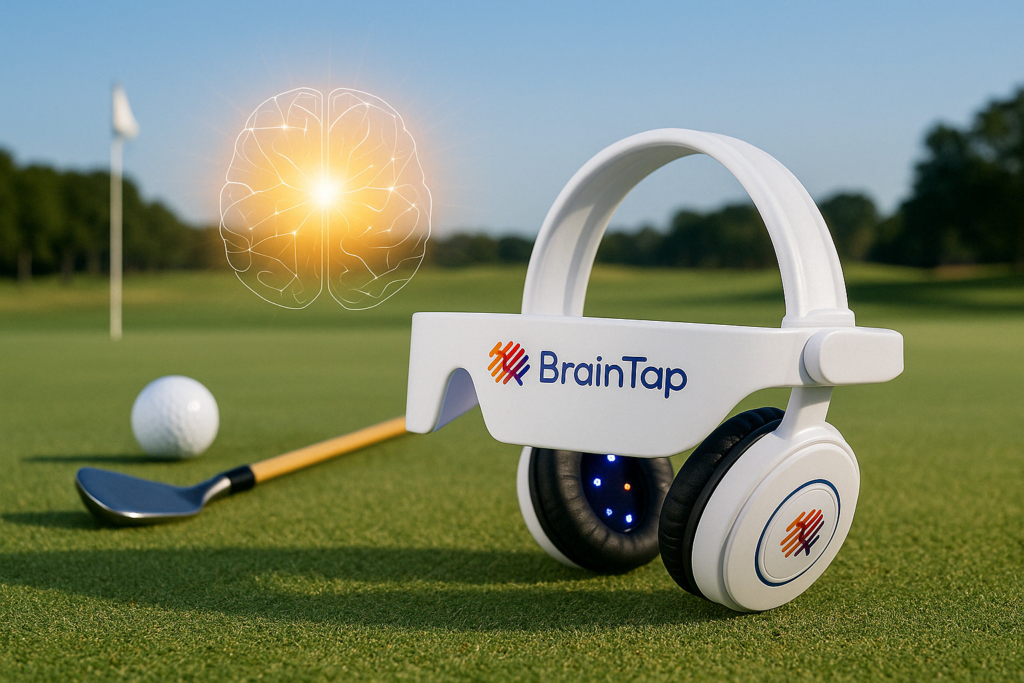
Effect of Brainwave Entrainment and Transcranial Photobiomodulation on Brainwave Power of College Golf Players Francisco Jose Cidral-Filho, Ph.D.1, Eber Fontes,
Audiovisual Brain Entrainment associated with “Saving your Brain” therapeutic approach on Quantitative Electroencephalogram Analysis and Cognitive and Emotional Checklist Assessment.
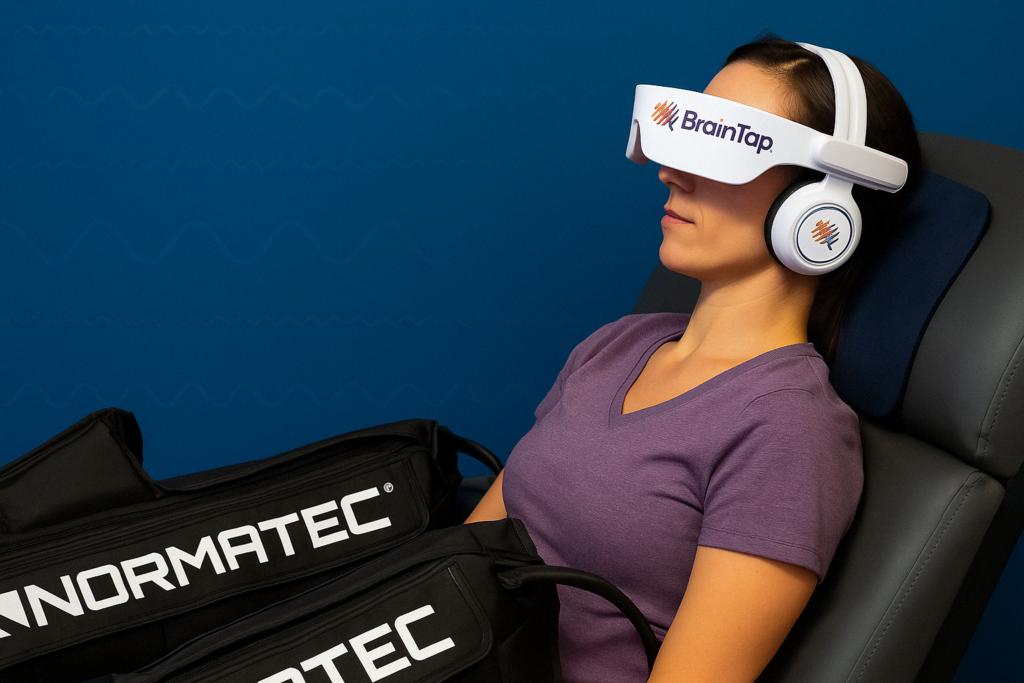
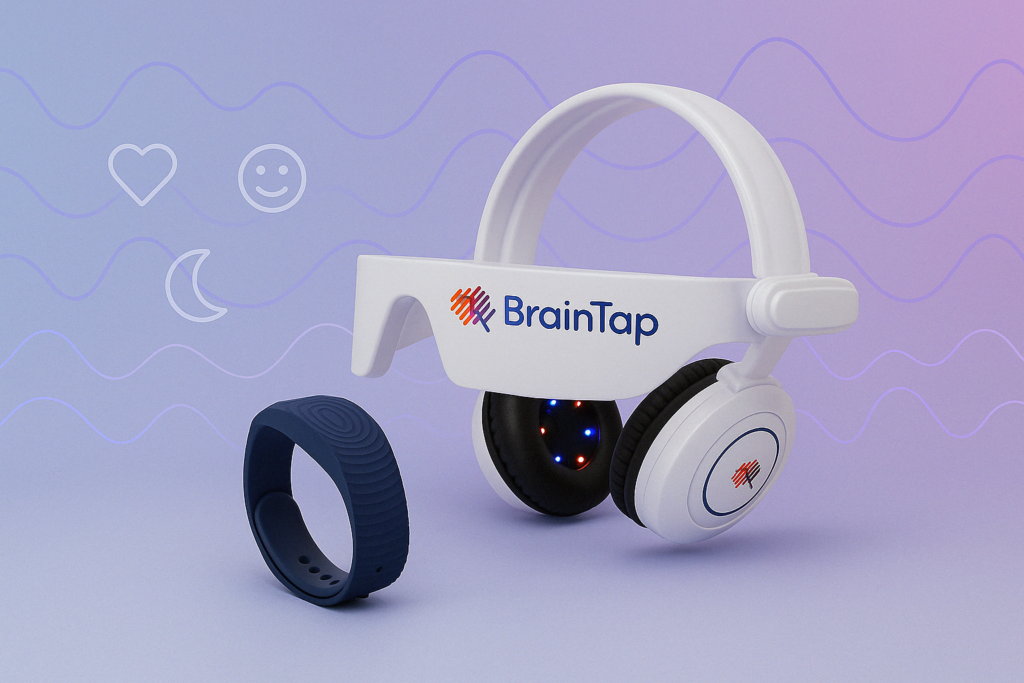
Concussion Treatment Protocol Utilizing Brainwave Entrainment with the BrainTap headset & Compression Therapy with the NormaTec Pulse 2.0. Arkfeld T.1,
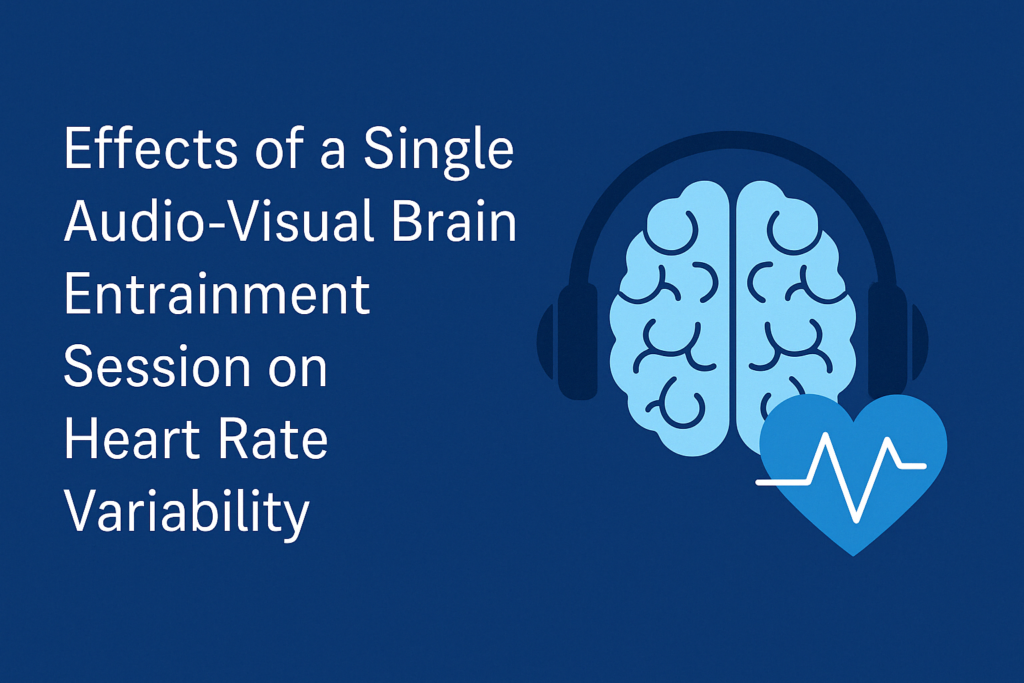
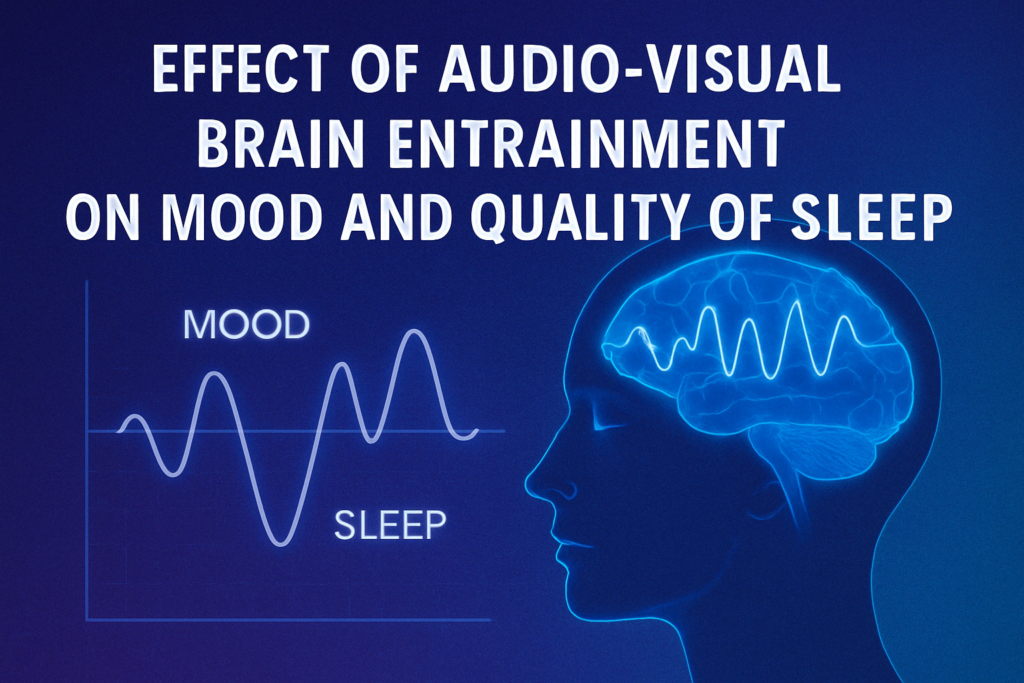
Effect of Audio-Visual Brain Entrainment on Mood, Sleep and Work Productivity of Professional Telemarketers Francisco J Cidral-Filho1, Patrick K Porter2,
The effects of audio brainwave entrainment on clinical symptoms and serum biomarkers of neuroplasticity in Fibromyalgia Syndrome: A Randomized Controlled
Effect of Audio-Visual Brain Entrainment on Mood, Sleep and Work Productivity of Professional Telemarketers Francisco J Cidral-Filho1, Patrick K Porter2,
Effect of Audio-Visual Brain Entrainment on Mood, Sleep and Work Productivity of Professional Telemarketers Francisco J Cidral-Filho1, Patrick K Porter2,
Effect of Brainwave Entrainment and Transcranial Photobiomodulation on Brainwave Power of College Golf Players Francisco Jose Cidral-Filho, Ph.D.1, Eber Fontes,
Brainwave Entrainment Brainwave entrainment, a technique that uses rhythmic stimuli to synchronize brainwave frequencies, has garnered significant attention for its potential therapeutic applications. This method leverages auditory and visual stimuli...
Most Read Article
Stay Up-To-Date By Joining Our Newsletter
Subscribe to our newsletter for insights and updates on the forefront of holistic health. Receive curated content that fuels your journey to a healthier, more balanced life.
Highlights Participants with insomnia experienced significant improvements in sleep quality Total sleep time increased by approximately 30.6 minutes per night Insomnia severity was significantly reduced Functional MRI revealed changes in...
Highlights Hydrogen-rich water reduced lactate levels during and immediately after exercise Participants demonstrated improved muscular endurance performance Muscle soreness 24 hours after training was significantly lower No intervention-related adverse effects...
Highlights Hyperthermic baths produced significant improvements in depressive symptoms within just 2 weeks Early results were superior to those observed with a structured exercise program The intervention increased core body...
Highlights Elite athletes showed elevated levels of oxidative stress biomarkers Increased oxidative stress was observed regardless of sport discipline The body responded by recruiting antioxidant defense mechanisms Findings highlight the...
Highlights Vibroacoustic therapy was associated with significant improvements in depressive symptoms More than one-third of participants achieved a clinical response after five weeks EEG recordings revealed measurable changes in brain...
Highlights Hydrogen-rich water significantly improved flow-mediated dilation (FMD), a marker of endothelial function Participants consumed water containing 3.5 mg of dissolved molecular hydrogen Improvements were observed within 30 minutes of...