


Highlights:
- Fibromyalgia causes widespread pain, fatigue, sleep issues, and cognitive difficulties, and many people seek complementary options alongside standard care.
- The AVACEN Treatment Method (ATM) gently warms the microcirculation and is being explored as a non-invasive approach for chronic pain.
- In a 4-week open-label study with fibromyalgia patients, both a short daily protocol and a full protocol were associated with improvements in pain and symptom scores.
- Recognized fibromyalgia measures (WPI, TPC, Symptom Severity) showed improvements in both groups, with meaningful changes in the group that received the full protocol, and no device-related adverse effects were reported.
Fibromyalgia is known for causing widespread pain, constant fatigue, sleep disturbances, and cognitive difficulties that greatly impact quality of life. Despite advances in the field, many individuals continue to look for complementary strategies to support conventional treatment.
One such approach is the AVACEN Treatment Method (ATM), which works through controlled warming of the microcirculation to help the body regulate processes associated with chronic pain.
In an open-label clinical study with fibromyalgia patients, researchers examined the effects of 4 weeks of AVACEN use.
What did they find?
- Single 10-minute daily sessions already helped reduce widespread pain.
- When the protocol was intensified to two 15-minute sessions per day, symptom improvements became even more pronounced.
- Statistically significant reductions were observed in three well-recognized fibromyalgia diagnostic measures:
-
- Widespread Pain Index (WPI)
-
- Tender Point Count (TPC)
-
- Symptom Severity Scale (SS)
-
- No adverse effects were reported.
Why It Matters
The findings suggest that the AVACEN Treatment Method may positively influence recognized fibromyalgia assessment metrics, including WPI, TPC, and SS. By offering a non-invasive and well-tolerated approach, AVACEN could represent a complementary option for individuals seeking to manage pain and improve daily functioning.
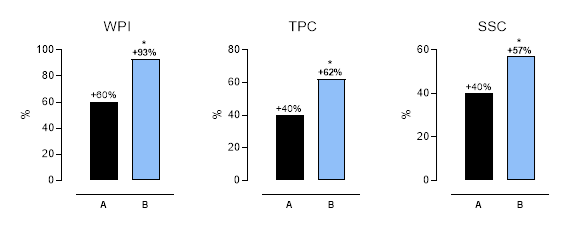
Figure 1. Core fibromyalgia measures after 4 weeks of AVACEN use.
Percentage improvement from baseline in three key fibromyalgia indices for Group A (one 10-minute AVACEN session per day; black bars) and Group B (two 15-minute AVACEN sessions per day; blue bars). WPI = Widespread Pain Index; TPC = Tender Point Count; SSC = Symptom Severity Composite (overall symptom burden). Values are expressed as percent change from baseline; * indicates a statistically significant change (p < 0.05).
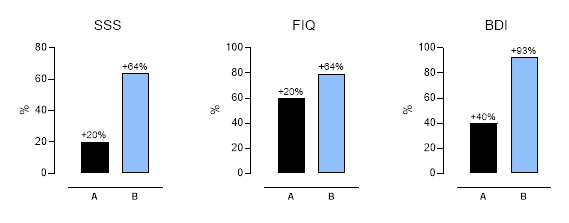
Figure 2. Secondary symptom measures after 4 weeks of AVACEN use.
Percentage improvement from baseline in secondary outcomes for Group A (one 10-minute session per day; black bars) and Group B (two 15-minute sessions per day; blue bars). SSS = symptom severity score; FIQ = fibromyalgia impact questionnaire (daily functioning and quality of life); BDI = Beck Depression Inventory (depressive symptoms). Values are expressed as percent change from baseline.
Reference:
Muehlbauer TG, Vieira K, (2017) Effects of a 4-week AVACEN Treatment on Pain Perception in Fibromyalgia: An Open Label Study; Fibrom Open Access 2: 124. Available at: https://www.omicsonline.org/open-access/effects-of-a-4week-avacen-treatment-on-pain-perception-in-fibromyalgia-anopen-label-study.pdf